ऑनलाइन सुरक्षा पर सरकार घिरी, बच्चों की सुरक्षा को लेकर गंभीर सवाल

ऑनलाइन सुरक्षा पर सरकार घिरी, बच्चों की सुरक्षा को लेकर गंभीर सवाल

दिनांक: 31 मार्च 2026

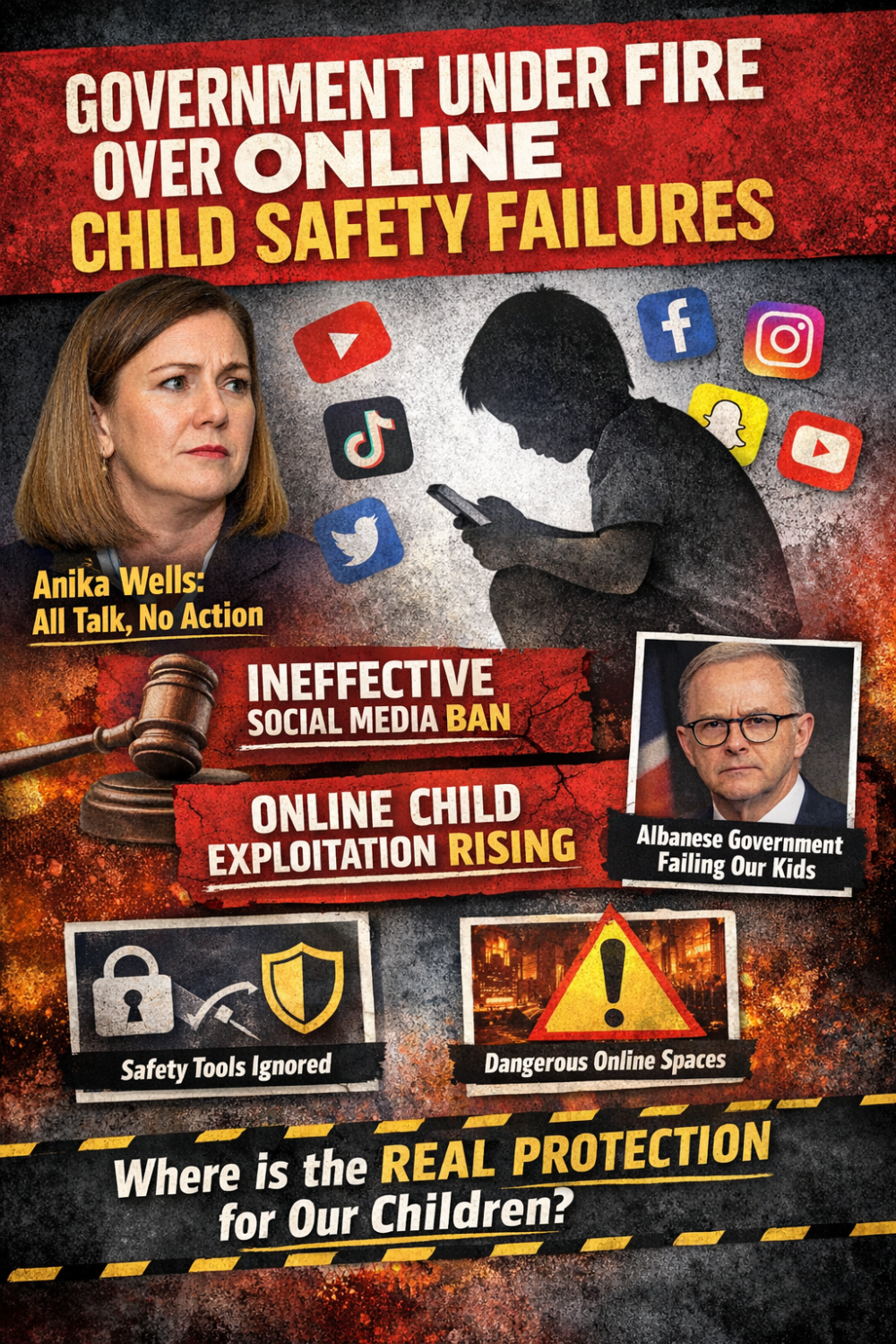
ऑस्ट्रेलिया में बच्चों की ऑनलाइन सुरक्षा को लेकर सरकार एक बार फिर आलोचनाओं के घेरे में आ गई है। संचार मंत्री Anika Wells और Anthony Albanese के नेतृत्व वाली सरकार पर आरोप है कि वह बच्चों को इंटरनेट पर बढ़ते खतरों से बचाने में विफल रही है।

सरकार द्वारा लागू किया गया सोशल मीडिया प्रतिबंध (बैन) अब सवालों के घेरे में है। आलोचकों का कहना है कि यह नीति कई खामियों से भरी हुई है और वास्तविक समस्या का समाधान करने में नाकाम साबित हो रही है। बड़ी संख्या में बच्चे या तो इस प्रतिबंध से बचने के रास्ते खोज रहे हैं या इसके दायरे से बाहर हैं।

विशेषज्ञों और संगठनों का मानना है कि सरकार ने उन तकनीकों पर ध्यान नहीं दिया जो बच्चों को ऑनलाइन यौन शोषण सामग्री से बचाने में मदद कर सकती हैं। अंतरराष्ट्रीय संस्था International Justice Mission ने भी ऐसे तकनीकी समाधानों की वकालत की है जो ऑनलाइन यौन अपराधों, खासकर लाइव स्ट्रीमिंग जैसे मामलों, को रोक सकते हैं।

इसके अलावा यह भी सवाल उठ रहा है कि जिन सुरक्षा टूल्स का इस्तेमाल बड़ी कंपनियाँ और सरकारी विभाग करते हैं, वे आम परिवारों और अभिभावकों के लिए उपलब्ध क्यों नहीं हैं।

हाल ही में ई-सेफ्टी कमिश्नर की रिपोर्ट ने भी सरकार के दावों पर सवाल खड़े कर दिए हैं। रिपोर्ट के अनुसार, जनवरी और फरवरी 2026 में साइबर बुलिंग और इमेज-आधारित दुर्व्यवहार के मामलों में कोई खास कमी नहीं आई है, जबकि यह उम्मीद की जा रही थी कि सोशल मीडिया प्रतिबंध से ऐसे मामलों में गिरावट आएगी।

स्थिति यह है कि बच्चे फर्जी उम्र बताकर अकाउंट बना रहे हैं या एक-दूसरे के डिवाइस का उपयोग कर रहे हैं, जिससे वे और भी असुरक्षित और अनियंत्रित ऑनलाइन प्लेटफॉर्म्स की ओर जा रहे हैं।

सरकार द्वारा यह दावा किया गया कि 16 वर्ष से कम उम्र के 50 लाख सोशल मीडिया अकाउंट बंद किए गए हैं, लेकिन यह आंकड़ा अब तक संबंधित प्लेटफॉर्म्स के डेटा से पुष्ट नहीं हो पाया है।

आलोचकों का कहना है कि यदि फेसबुक, इंस्टाग्राम, स्नैपचैट, टिकटॉक और यूट्यूब जैसे प्लेटफॉर्म कानून का उल्लंघन कर रहे हैं, तो उनके खिलाफ सख्त कार्रवाई क्यों नहीं की जा रही।

पूरे मामले में सरकार की नीतियों को “घोषणाओं में मजबूत लेकिन अमल में कमजोर” बताया जा रहा है। बच्चों की ऑनलाइन सुरक्षा जैसे गंभीर मुद्दे पर ठोस और प्रभावी कदम उठाने की मांग लगातार तेज होती जा रही है।

The Australian government is once again facing criticism over the issue of children’s online safety. The government, led by Anika Wells and Anthony Albanese, has been accused of failing to protect children from growing dangers on the internet.

The social media ban introduced by the government is now under scrutiny. Critics argue that the policy is riddled with flaws and has failed to address the real problem. A large number of children are either finding ways to bypass the ban or fall outside its scope.

Experts and organisations believe the government has overlooked technologies that could help combat online child sexual abuse material. The international organisation International Justice Mission has also advocated for technological solutions to tackle online sexual exploitation, particularly live-streamed abuse.

Questions are also being raised about why safety tools used by large corporations and government departments are not available to ordinary families and parents.

A recent report by the eSafety Commissioner has further challenged the government’s claims. According to the report, there has been no significant decrease in cases of cyberbullying and image-based abuse in January and February 2026 compared to the same period in 2025, despite expectations that the social media ban would reduce such incidents.

The situation suggests that children are creating accounts using false ages or sharing devices, pushing them toward more unsafe and unregulated online spaces.

The government has claimed that 5 million social media accounts belonging to under-16s have been shut down. However, this figure has not been supported by data released by the platforms.

Critics argue that if platforms such as Facebook, Instagram, Snapchat, TikTok and YouTube are violating the law, stricter action should be taken against them.

Overall, the government’s approach has been described as “strong on announcements but weak on implementation.” Calls are growing for more concrete and effective measures to ensure children’s online safety.